
Tattoo Numbing Cream Australia: The Complete Professional Guide
Tattooing requires focus, precision and endurance.
For many clients, managing discomfort isn’t about avoiding pain — it’s about sitting still, staying calm and completing sessions properly.
If you’re searching for the best tattoo numbing cream in Australia, this guide explains:
• How tattoo numbing cream works
• Whether it affects ink
• How long it lasts
• When to use it
• When not to use it
• How to apply it correctly
• What tattoo artists need to know
This is a professional guide — not hype.
Quick Answer: How to Use Tattoo Numbing Cream
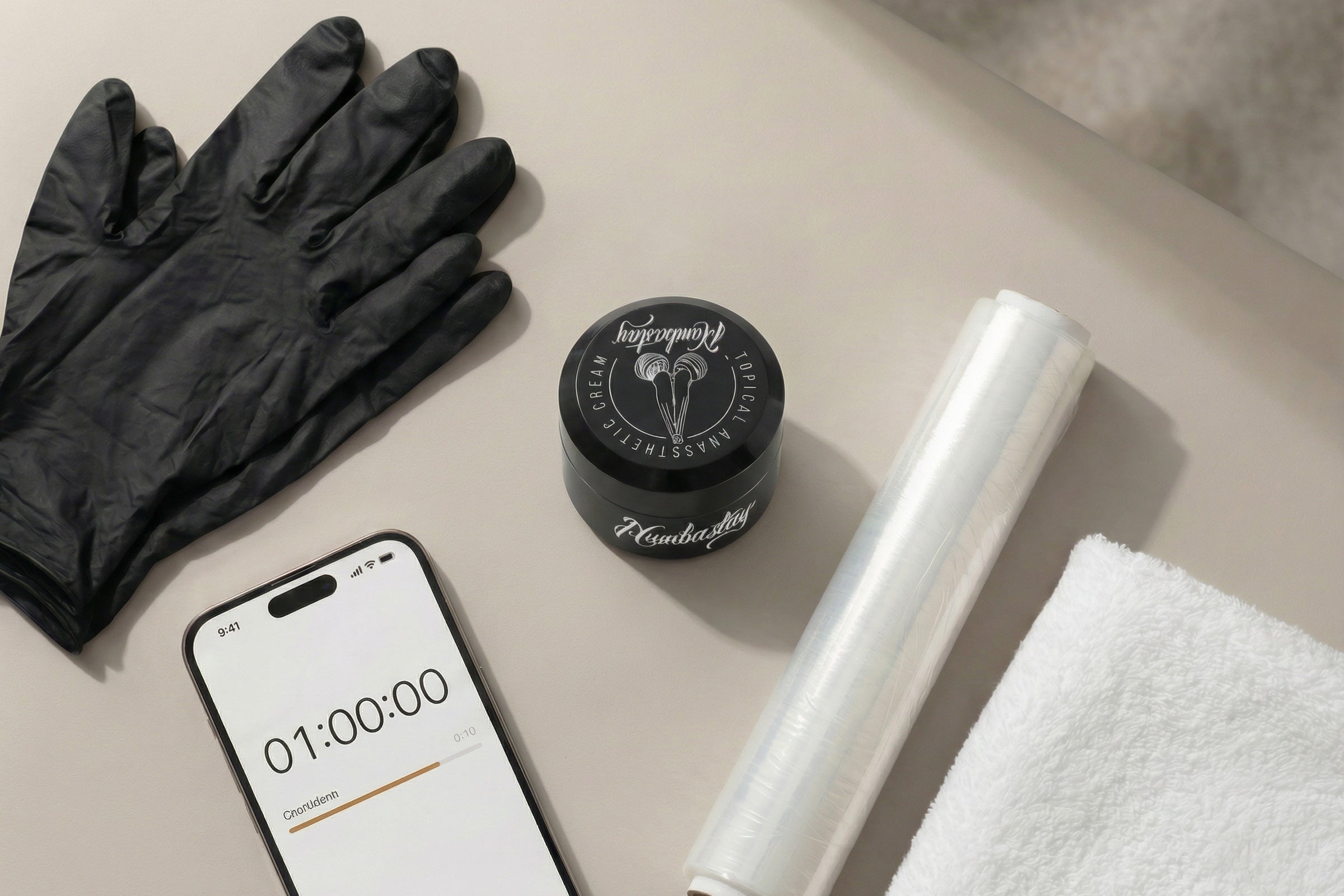
Tattoo numbing cream is a topical anaesthetic applied to unbroken skin to temporarily reduce sensation before tattooing. Apply a thick layer 60–90 minutes before your appointment, cover with occlusive wrap, then remove completely before stencil placement. Always consult your tattoo artist before use and follow professional instructions carefully.
What Is Tattoo Numbing Cream?
Tattoo numbing cream is a topical anaesthetic designed to temporarily reduce sensation in the skin before tattooing.
It works by reducing nerve signal transmission in the treated area.
When applied correctly and removed properly before tattooing begins, it can:
• Help clients sit longer
• Reduce involuntary movement
• Improve breathing control
• Lower anxiety
• Support longer sessions
It is not a replacement for technique.
It is a preparation tool.
How Tattoo Numbing Cream Works
Topical numbing creams contain local anaesthetic agents that temporarily block sodium channels in nerve endings.
In simple terms:
They reduce the ability of nerves to send pain signals to the brain.
For tattooing, this is most effective when:
• Applied to unbroken skin
• Left under occlusion
• Fully absorbed before tattooing
• Removed completely before stencil placement
Correct preparation is everything.
Does Tattoo Numbing Cream Affect Ink?
This is the most common concern.
When used correctly, it should not negatively impact tattoo quality.
Problems occur when:
❌ Cream is applied to broken skin
❌ Excess residue remains on the surface
❌ Application time is too short
❌ Skin becomes over-saturated
Professional use requires:
-
Proper occlusion
-
Full absorption
-
Complete removal before stencil
-
Artist awareness
Used responsibly, numbing cream supports stable sessions — it does not replace professional technique.
Why Some Tattoo Artists Don’t Recommend Numbing Cream
There are legitimate concerns.
Some artists worry about:
• Skin texture changes
• Vasoconstriction
• Client overconfidence
• Improper application
• Grey-market formulations
The solution isn’t avoiding numbing cream entirely — it’s using professionally formulated products with proper prep protocols.
Numbastay encourages:
✔ Artist approval
✔ Correct application timing
✔ Responsible usage
✔ Education before use
Tattooing is collaboration.
How Long Does Tattoo Numbing Cream Last?
Duration depends on:
• Placement
• Skin thickness
• Circulation
• Individual response
• Application method
When applied correctly, clients typically experience reduced discomfort for extended session periods.
Factors that reduce duration:
• Not leaving under occlusion long enough
• Sweating
• High movement areas
• Rushing application
Correct preparation improves consistency.
How to Apply Tattoo Numbing Cream (Step-by-Step)
This is the most important section.
Improper use causes most issues.
Step-by-Step Professional Method
-
Clean the area thoroughly.
-
Apply a thick, even layer to unbroken skin.
-
Cover with occlusive wrap.
-
Leave for 60–90 minutes.
-
Remove wrap completely.
-
Wipe off all residue.
-
Allow skin to normalise before stencil placement.
Do not rush the process.
Full removal before tattooing is critical.
How Much Tattoo Numbing Cream Should You Apply?
Choosing the correct tube size isn’t about guessing — it’s about coverage.
As a practical guide:
A 10g tub typically covers an area about the size of your palm (approximately 10cm x 15cm).
A 30g tub is suited to larger surface areas and is generally enough for one extended session on a medium-to-large placement.
Below is a simple breakdown to help you choose correctly.
For Tattoos
10g tub
Best for small tattoos covering roughly a palm-sized area (10cm x 15cm), such as:
-
Wrist
-
Ankle
-
Small forearm pieces
-
Behind the ear
-
Finger tattoos
30g tub
Suitable for:
-
Medium forearm sections
-
Upper shoulder placements
-
One medium session area
2 × 30g tubs
Recommended for:
-
Larger shoulder pieces
-
Calf tattoos
-
Half sleeve coverage
-
Extended session on larger placements
3 × 30g tubs
Best for:
-
Full upper arm sleeve
-
Full lower leg
-
Large multi-hour sessions requiring full coverage
When NOT to Use Tattoo Numbing Cream
Do not use:
• On broken skin
• During active infection
• If allergic to local anaesthetics
• Without artist approval
• On extremely large areas without guidance
Always perform a patch test prior to use.
Who Benefits Most From Tattoo Numbing Cream?
Numbing cream is commonly used for:
• First-time tattoo clients
• Rib tattoos
• Sternum tattoos
• Spine placements
• Large colour pieces
• Multi-hour sessions
• Fine line detail work
• Cosmetic tattoo procedures
It is particularly helpful in sensitive areas where involuntary movement can affect precision.
Is Tattoo Numbing Cream Safe?
When professionally formulated and used according to instructions, topical anaesthetics are widely used in cosmetic and medical settings.
Safety depends on:
• Ingredient quality
• Concentration compliance
• Correct usage
• Avoiding over-application
Numbastay products are independently formulated and produced in Australia in collaboration with qualified pharmacy professionals.
Always follow directions and consult your artist.
Australian Regulation & Responsible Use
Topical anaesthetic products in Australia are regulated under national health and therapeutic goods frameworks. The classification of a numbing product depends on factors such as ingredient type, concentration, intended use, and method of supply.
This means not all numbing creams are equal — and not all products sold online meet the same regulatory standards.
Consumers should be aware that:
-
Ingredient strength and formulation matter
-
Products must comply with Australian requirements
-
Labelling and usage instructions are important safety indicators
-
Professional oversight improves responsible use
Choosing an Australian-produced, professionally formulated product improves transparency, batch consistency, and accountability.
For general public information about topical anaesthetics and regulatory considerations, refer to official Australian health guidance such as:
-
The Therapeutic Goods Administration (TGA)
-
State Health Department resources regarding topical anaesthetic use
This information is provided for educational purposes only and does not replace professional medical advice. Always follow product instructions carefully and consult your tattoo artist before use.
Tattoo Numbing Cream vs Grey-Market Brands
Australia has seen a rise in imported numbing products with:
• Unverified ingredient levels
• No local quality control
• No compliance clarity
• No accountability
Choosing Australian-produced, professionally formulated products improves:
• Batch consistency
• Ingredient transparency
• Reliability
• Trust
Professional tattooing deserves professional preparation.
Does Numbing Cream Change Skin Texture?
When applied properly and fully removed before tattooing, skin should feel normal to the artist.
Problems occur when:
• Cream is left sitting on the surface
• Skin is over-saturated
• Application time is rushed
Proper timing + complete removal = stable surface.
Does Tattoo Numbing Cream Cause Fading?
There is no evidence that proper topical use causes fading when applied correctly.
Fading is more commonly linked to:
• Poor aftercare
• Sun exposure
• Overworking the skin
• Picking during healing
Structured preparation and structured aftercare produce the best outcomes.
Tattoo Numbing Cream and Long Sessions
For long sessions:
• Prepare skin properly
• Inform your artist
• Stay hydrated
• Follow aftercare instructions carefully
Reduced discomfort often helps clients:
• Sit more consistently
• Avoid unnecessary breaks
• Complete larger pieces more efficiently
It supports the process — not shortcuts it.
Aftercare Still Matters
Numbing cream does not replace aftercare.
Post-session recovery should include:
-
Gentle cleansing
-
Balanced hydration
-
Avoiding irritation
-
Structured support for 2–4 weeks
Preparation supports the session.
Aftercare protects the result.
Frequently Asked Questions About Tattoo Numbing Cream
Does tattoo numbing cream affect tattoo ink?
When applied correctly to unbroken skin, left under occlusion for 60–90 minutes, and fully removed before stencil placement, tattoo numbing cream should not negatively affect ink saturation or colour retention. Most ink issues are caused by poor preparation, excess residue, or improper aftercare — not responsible topical use.
Can tattoo artists tell if you used numbing cream?
If numbing cream is fully absorbed and completely removed before tattooing begins, skin texture should feel normal to the artist. Problems arise when cream residue remains on the surface or the skin is over-saturated. Always inform your artist beforehand so they can assess the skin properly.
How long before my appointment should I apply numbing cream?
Most professional protocols recommend applying tattoo numbing cream 60–90 minutes before your appointment. Apply a thick, even layer to clean, unbroken skin, cover with occlusive wrap, and remove completely before your stencil is placed. Do not rush this process.
Can I use tattoo numbing cream on broken skin?
No. Tattoo numbing cream should only be applied to intact, unbroken skin before tattooing begins. Applying topical anaesthetic to open or damaged skin increases absorption unpredictability and is not recommended.
What tattoo areas benefit most from numbing cream?
Numbing cream is commonly used for high-sensitivity areas such as ribs, sternum, spine, feet, and inner arm placements. It is also helpful for long multi-hour sessions or large colour pieces where stability and reduced movement improve precision.
Can I reapply numbing cream during a tattoo session?
Reapplication should only be done under professional guidance. Applying numbing cream to freshly tattooed skin is different from pre-session preparation and may require a different formulation. Always follow your artist’s instructions.
Is tattoo numbing cream legal in Australia?
Topical anaesthetic products are regulated in Australia. The legality and classification depend on ingredient concentration and product category. Always choose Australian-produced, professionally formulated products and follow all instructions carefully. If unsure, consult your tattoo artist or healthcare professional.
How much tattoo numbing cream should I use?
Apply a thick, even layer that fully covers the treatment area without rubbing it in. The skin should be visibly coated before applying occlusive wrap. Using too little reduces effectiveness; using excessive amounts does not improve results and may increase the risk of improper absorption.
How long does tattoo numbing cream last?
Duration varies depending on placement, circulation, skin thickness, and preparation method. When applied properly, reduced sensation can last through a significant portion of the session. Rushed application or insufficient occlusion reduces duration.
Does numbing cream replace proper aftercare?
No. Numbing cream supports session comfort but does not influence healing quality on its own. Structured aftercare — including gentle cleansing and balanced hydration — remains essential for protecting colour vibrancy and long-term results.
The Professional Standard
Numbing cream is not about avoiding discomfort.
It’s about:
• Stability
• Focus
• Precision
• Completing sessions efficiently
• Supporting artists
Used correctly, it enhances collaboration.
Choosing the Right Tattoo Numbing Cream in Australia
When evaluating products, consider:
• Is it Australian produced?
• Is it professionally formulated?
• Is application guidance clear?
• Does the brand support artists?
• Are instructions transparent?
Avoid products that rely on hype instead of education.
Final Thoughts
Tattoo numbing cream is a preparation tool.
When used correctly, it supports longer, calmer, more controlled sessions — without compromising artistry.
Education is what separates responsible use from poor outcomes.
If you choose to use numbing cream, use it properly.
Australian made. Professionally formulated. Designed for ink.